Sinheungsa Name and History
The name Sinheungsa (신흥사) translates to "New Rising Temple." Originally, when the temple was founded in 652 AD during the Silla Dynasty by the monk Jajang Yulsa, it was called Hyangseongsa (향성사). As one of Korea’s oldest temples, it has faced numerous reconstructions over the centuries due to wars and natural disasters, which led to changes not only in its structure but also in its name.
In the 16th century, during the Joseon Dynasty, the temple was renamed Sinheungsa, meaning “New Rising Temple.” The new name symbolized the temple’s revival after multiple reconstructions. The term “new rising” represents renewal and the temple’s ongoing rebirth over time, aligning with its mission of promoting spiritual enlightenment.
The name Sinheungsa also reflects the endurance of Buddhism in Korea. Despite periods of suppression during the Joseon Dynasty, when Confucianism was dominant, the temple remained active. Today, Sinheungsa stands as a symbol of resilience and a reminder of Korea's enduring Buddhist heritage.
신흥사의 명칭과 역사
신흥사라는 이름은 "새롭게 일어나는 절"이라는 뜻을 가지고 있습니다. 이 사찰은 652년, 신라 시대에 자장율사에 의해 창건되었을 당시 향성사로 불렸습니다. 한국의 가장 오래된 사찰 중 하나인 신흥사는 오랜 세월 동안 전쟁과 자연 재해로 인해 여러 차례 재건을 거쳤고, 그 과정에서 명칭도 변화하게 되었습니다.
16세기 조선 시대에 이르러 사찰의 이름이 신흥사로 바뀌었으며, 이는 여러 번의 재건을 통해 부흥된 사찰의 새로운 시작을 상징합니다. "새롭게 일어나는"이라는 뜻은 끊임없이 재탄생하는 사찰의 의미를 담고 있으며, 불교적인 깨달음과 영적 성장의 의미를 내포하고 있습니다.
신흥사라는 이름은 또한 한국 불교의 끈기를 반영합니다. 유교가 지배적이었던 조선 시대 동안 불교가 억압을 받았음에도 불구하고 사찰은 유지되었습니다. 오늘날 신흥사는 한국의 불교 유산이 지속됨을 상징하는 중요한 사찰로 자리 잡고 있습니다.
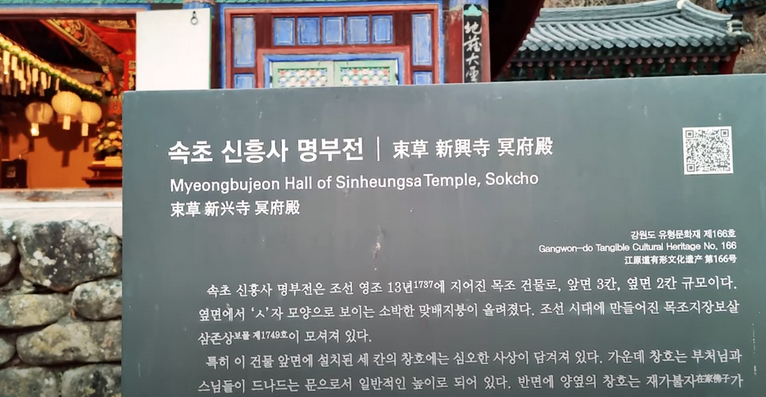
명부전의 양쪽 출입문은 상당히 낮은데 문 안으로 들어가려면 반드시 고개를 숙여야 한다. 이유는 먼저 돌아가신 분, 영혼들에게 저절로 예를 갖출수 있도록 만들어 놓은 조상의 지혜이다.
Buddhist 49-Day Memorial Rites (49재)
ALL ABOUT KOREA
travelkorea365.blogspot.com
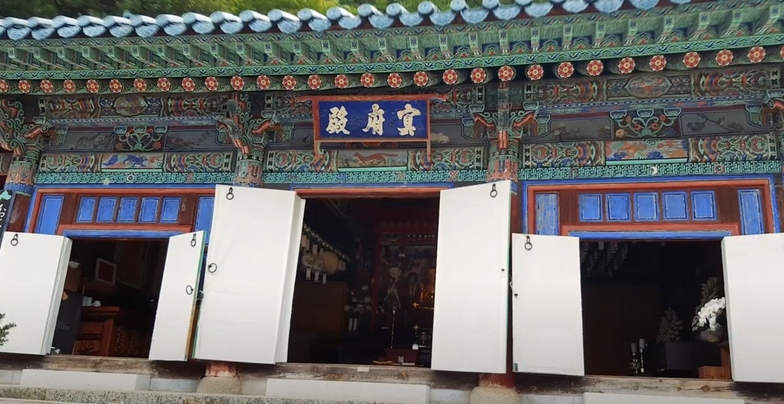
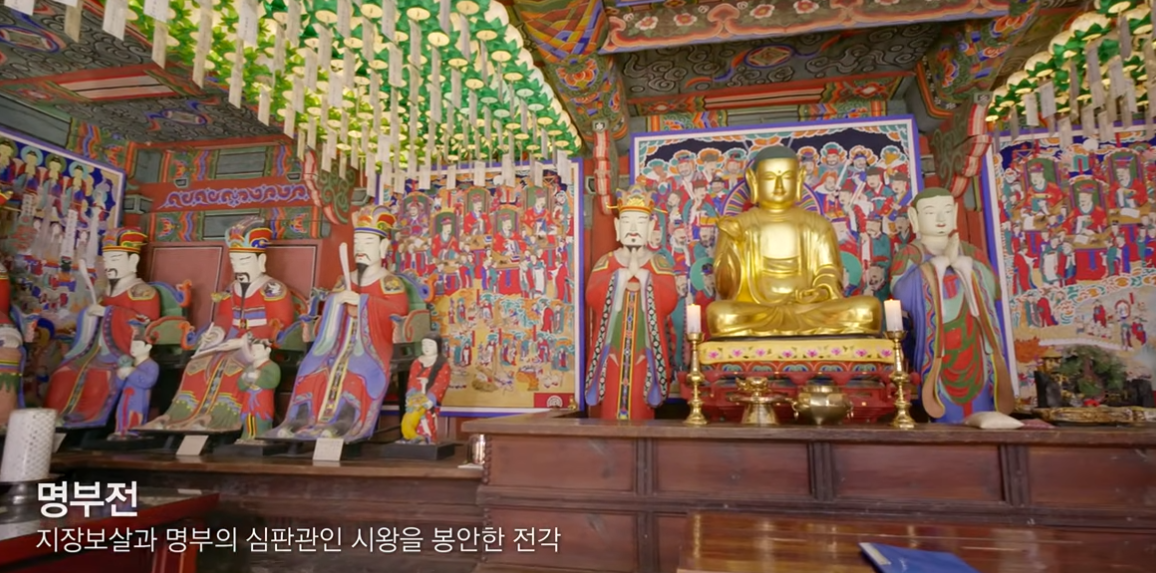
명부전: 불교에서는 사람이 죽은 뒤 생전에 지은 죄를 명부(underworld)에 가서 10명의 왕, 시왕 앞에서 재판을 받는다고 한다.
In Buddhism, It is believed that after death. A person's soul enters the underworld called Myungbu and are judged by the 10 kings for deeds committed during their lifetime.

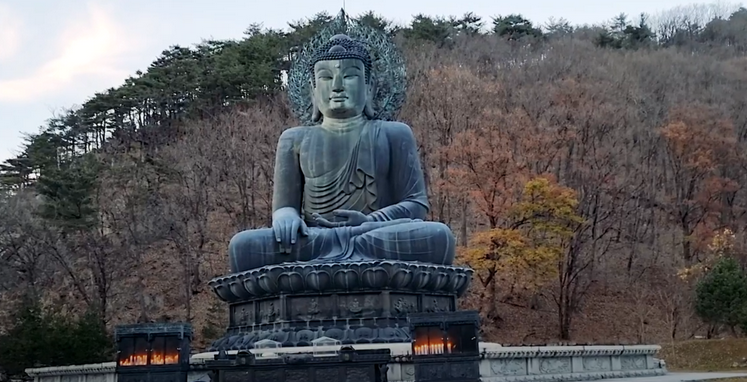
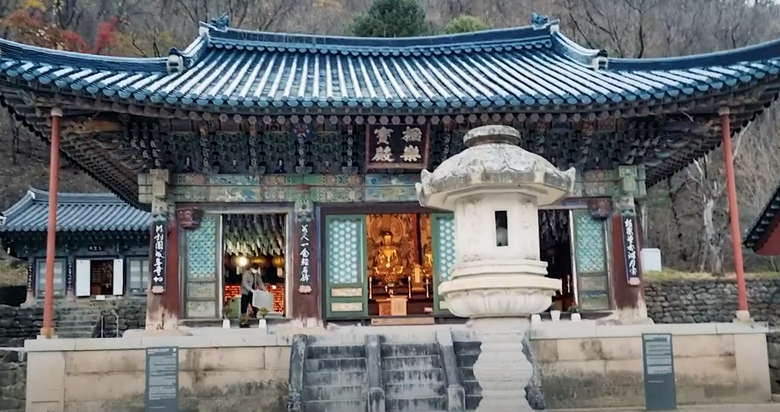
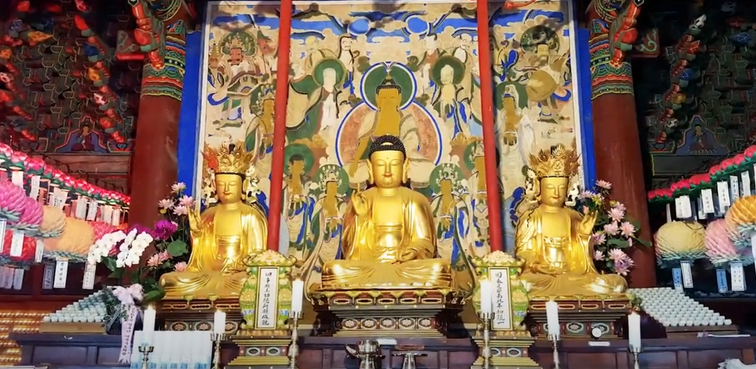
This hall is dedicated to Amitabha Buddha, or Amita Bul, who represents the Western Paradise. The name “Geungnak” actually means “Ultimate Bliss,” so this hall is all about helping devotees find peace and enlightenment.
이곳은 아미타불을 모신 공간으로, 서방정토를 상징합니다. ‘극락’은 "궁극의 행복"이라는 뜻을 가지고 있어, 신도들이 평화와 깨달음을 찾도록 돕는 곳이다.
'Korean History > @ Here' 카테고리의 다른 글
| 조계사와 연등회: 한국 불교의 역사와 문화 (0) | 2025.05.10 |
|---|---|
| 광장시장 역사 : '광장’ 유래 ‘넓은 장소’가 아니었을까? (0) | 2025.04.20 |
| 마이산 여행 필수 코스, 수선루의 역사와 자연을 담다 (0) | 2025.04.05 |
| 청일전쟁 후 시모노세키 조약 협상 장소 여기? (0) | 2025.03.09 |
| 설마리 전투 추모 공원 Gloster Hill Memorial Park (0) | 2025.02.20 |


